Impact and Implications of Cultural Design in a Global Context
Cultural design refers to the systematic creation, redesign, and application of design principles to foster cultural understanding, sustainability, and social cohesion. It may imply the influence and transformation of collective behaviours and mindsets in any direction, with both positive and negative implications that any change has. Fry (2007) posits that design serves as a catalyst for societal change and can redefine cultural narratives. This conversation examines cultural design, its global implementations, benefits, consequences, and societal impacts, referencing esteemed authors in the field.
What exactly is Cultural Design?
Cultural design integrates design practices with cultural studies, emphasising how design shapes and is shaped by cultural contexts (Sparke, 2004). It involves designing products, services, and experiences that align or reshape cultural values and social norms. Fry (2007) argues that cultural design not only addresses aesthetic concerns but also seeks to influence behaviours and social interactions, often but not always, to improve shared existence and sense of community, fostering dialogue and positive exchange.
Implementation of Cultural Design Globally
Cultural design has been applied in very diverse ways around the world, offering tangible examples of its principles. In Europe, for example, cultural design often merges with social design, focusing on community engagement, as seen in the work of Tunstall (2013). In the UK, community-driven design initiatives aim to improve local public spaces by involving residents in the design process. This participatory approach has been crucial for fostering ownership and understanding within communities.
Europe has a long history of cultural and social design in terms of control and surveillance over its own population, which, on one hand, provides references and learnings from actual experience and reality; on the other, its imperial and colonising mindset has historically created cultural disasters and cultural destruction around the globe. Learning from historical mistakes should be the best approach in this case. Reviewing history and reflecting on previous damage to formulate fictional scenarios where colonisation and brutal conquests never happened, and instead, a co-creation of new cultures from the mix of encounters was the norm, might be a way to design from failure.
In Latin America, Castañeda (2016) highlights the importance of integrating indigenous and ancestral knowledge and practices into contemporary social design. Projects in Brazil, as noted by Veiga (2020), leverage local cultural practices to address social issues, employing design as a means of cultural expression and identity reinforcement. Movements like PAR (Participatory Action Research), led by Colombian sociologist Orlando Fals Borda in the 1970s, significantly contributed to the development of cultural and social design as a co-design process, led by communities and facilitated by social scientists and activists in the region. A culture of community-based movements and initiatives was fostered and is now strongly present in Latin America, thanks to these participative processes and mindsets.

Among the potential benefits of Cultural Design, we can find those that are relevant for many or simply for those in power; let’s take a look:
Revision of Cultural Identity: Cultural design fosters the reflection and enhancement of cultural identities. As Luce (2012) points out, design can play a pivotal role in expressing and celebrating local traditions and practices, but also in realising how useless or outdated they can be. Design implies reflection on pertinence, which means old traditions may grow stronger or simply vanish according to the needs, values, and narratives that come from the community.
Social Impact: By involving communities in the design process, behavioural changes can be positively influenced. Cherokee et al. (2019) note that social design can foster social cohesion by encouraging collaboration, changing mentality, and understanding among diverse groups. Impact can be measured, but it is not predictable, so get ready to be surprised by reactions and outcomes
Social Sustainability: Fry (2007) argues that cultural design promotes sustainable practices by aligning design development with environmental and social ethics, encouraging designs that are considerate of future impacts. Design processes imply observation, evaluation, and iteration, which sustainability desperately needs. Continued policies or programs may provide not only environmental and economic sustainability but also a kind of “cultural blooming” in terms of symbolic and meaning production.
From a different perspective, Cultural Design also comes with consequences

Cultural Appropriation vs. Appreciation: One major downside discussed by Pereira (2018) includes the risk of cultural appropriation and distortion; cultural designers may adopt elements of other cultures without appropriate context or understanding, and try to replicate them in the community of work, trying to implement rituals or symbols that work in specific contetx may distort its original meann¡ing leading to exploitation rather than appreciation. The use of ritual substances is a good example of that. Ayahuasca and other ritual substances used for espiritual and transcendence lose all meaning when incorporated into urban societies with their own urges and anxieties.

Homogenization of Culture: As Tunstall (2013) suggests, the globalization of design practices can lead to a homogenization of culture where unique local identities are replaced by a generic global design language. In the same direction, global trends tend to erase and devalue local symbols, imposing standards that are “acceptable” standards that dilute authenticity. Cultural adaptation is presented by global media and cultural industries as a way to belong to a universe of privilege that looks for commercial benefit in growing audiences. Homogenisation makes commercial communication easier and cheaper, but wipes out the uniqueness of their cultural expressions. The US movie industry is one of the many mechanisms to create global homogenisation, following the pattern of ghetto segmentation or “demographics”. Disney, for example, operates by addressing the same story with the same “American values and standards” to a variety of groups and regions, fostering commercial space for products and services from global North American corporations.
Socio-Economic Disparities: Implementing cultural design is often uneven, which can widen socio-economic disparities. Gutiérrez (2015) emphasizes that unless inclusivity is prioritized in design processes, marginalized voices may remain unheard.
Impact of Cultural Design on Societies
The impact of cultural design on societies is very wide and can be very profound, affecting everything from individual identity to community and global relations, as mentioned before. Tunstall (2013) highlights that when design processes incorporate diverse cultural narratives, they create richer, more inclusive environments. Conversely, incomplete or misinterpreted cultural design implementation can lead to misunderstandings, tension, and conflict between communities or inside communities. That is what we can call consequences. Provided that design is not an exact science and volatility is a fundamental element of social interactions, cultural design is never finished; it is a continuum of transformations and responses that lead to both bright and sad results, and both can be seen as success.
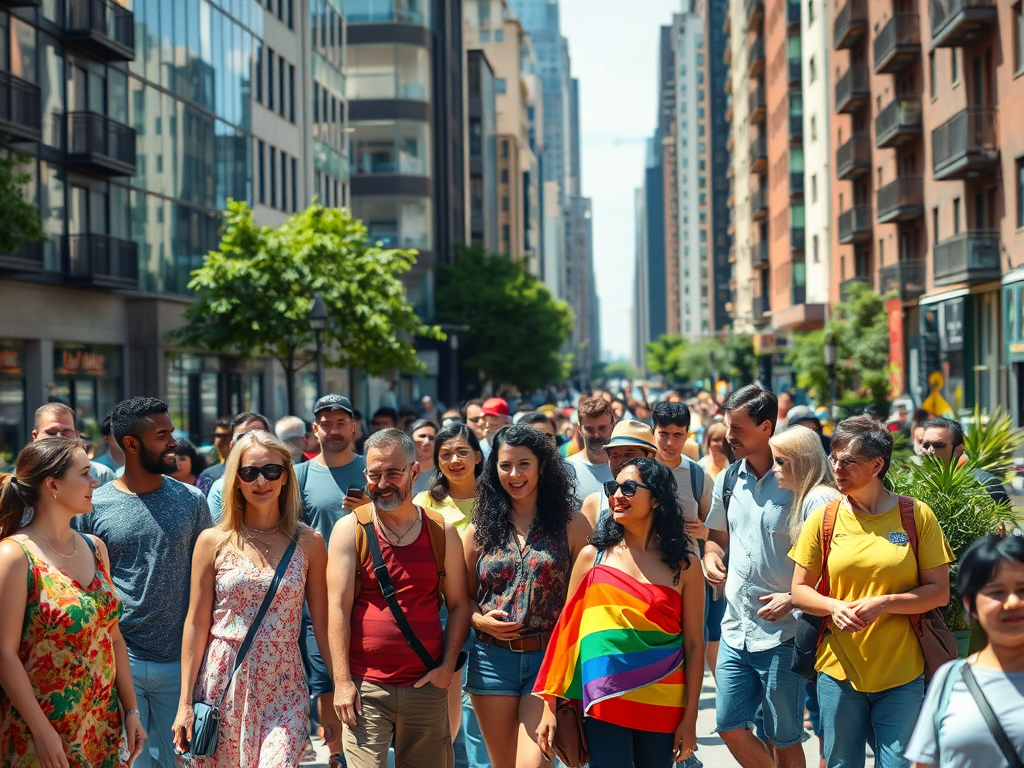
Cultural design plays a crucial role in identity formation and expression. As Castañeda (2016) illustrates through case studies of indigenous design, individuals can find empowerment through designs reflecting their cultural heritage.
2. Community Resilience: Effective cultural design can foster community resilience by encouraging adaptive practices and empowering residents to engage actively in their environments (Veiga, 2020).
3. Transformative Change: Social design initiatives often lead to transformative changes, reconceptualising spaces and social structures in communities (Andrade, 2019).
Cultural design, as a field, holds great potential for shaping societies in meaningful ways. By examining its global implementations, benefits, and consequences, it is evident that while cultural design enriches cultural identity and fosters social cohesion, it also poses risks of appropriation and homogenization. The challenge lies in balancing these elements to ensure that design serves as a tool for empowerment, inclusivity, and sustainable development.
Some insightful Author References
– Andrade, C. B. (2019). Social design practices in urban Latin America: A case study approach. *Journal of Cultural Design*, 34(2), 85-99.
– Castañeda, C. S. P. (2016). Indigenous knowledge and cultural design: Bridging the gap. *Design Anthropology Review*, 44(1), 23-37.
– Fry, T. (2007). *Design as Future-Making: The Role of Design in Sustaining Cultural Values*. Design Philosophy Papers, 6(1), 31-44.
– Gutiérrez, C. B. V. L. (2015). Cultural design and social justice in Mexico: Theoretical and practical implications. *Journal of Social Design*, 29(3), 215-229.
– Luce, G. H. (2012). The intersection of design and cultural identity. *Cultural Studies Review*, 11(2), 45-58.
– Pereira, R. R. (2018). Challenges in cultural design: Appropriation vs. appreciation. *Design Issues*, 34(4), 45-56.
– Sparke, P. (2004). Contextualizing design: The role of design in cultural studies. *Design Studies*, 26(5), 565-578.
– Tunstall, E. (2013). Understanding social design: A case for community engagement. *International Journal of Design*, 7(3), 59-70.
– Veiga, J. C. (2020). Empowering communities through cultural design in Brazil. *Journal of Design for Social Change*, 19(2), 134-150.
Europe
1. Martin S. K. Keesing (UK) • Known for his work on cultural design and the intersecting fields of anthropology and cognitive science.
2. Don Norman (UK) • While originally from the USA, he has been influential in design thinking across Europe and is known for his writings on design principles related to user experience.
3. Timothy D. O’Leary (Ireland) • His research focuses on design practices and how they reflect cultural narratives.
4. Patrick L. H. Messinger (Germany) • Engaged in cultural studies and the influence of culture on design processes and industries.
5. Jack W. T. Kochen (Netherlands) • Known for his research in cultural innovation and the role of design in cultural identity.
6. Yvonne F. R. F. van der Veen (Netherlands) • Focuses on the interaction between culture and design and how they shape human experiences.
Latin America
1. Claudia A. Canevaro (Brazil) • Engaged in discussions on cultural representation in design and the social implications of design in Brazilian contexts.
2. Andrea M. Silva (Argentina) • Her work includes studies on indigenous cultures and the integration of traditional practices into contemporary design.
3. Ricardo C. Morales (Chile) • Focuses on the relationship between cultural narratives and design methodologies in Latin America.
4. Ana M. S. Cabral (Colombia) • Explores the impact of cultural identity in design processes in Colombian communities.
5. Silvia M. Galindo (Mexico) • Researches the role of community and cultural heritage in sustainable design practices.
6. Nelson G. M. Andrade (Brazil)•His work includes the exploration of cultural diversity and its implications for design in urban settings.
 Jorge Rodriguez Nieto Blog